Now welcoming new patients in the Clear Lake Area Same-week & Saturday appointmentsMake a paymentBook a visit
Home
AboutOur PracticeWhat Sets Us ApartMeet the TeamAndrew Augustine, DDSJen L. Butler, DDS, FAGDJennifer H. Hermstein, DDS, FAGDSamantha J. Tutt, DDS, FAGD
PatientsNew PatientsOffice VisitsFinancial InformationMembership PlanTestimonialsPatient FormsOffice Tour
PreventiveTeeth for LifePreventive CareSealantsFluoride
GeneralCommon ProceduresGum DiseaseNightguardsSedationPediatric Dental FAQsBondingBridgesCrowns
CosmeticCosmetic DentistryVeneersTeeth WhiteningClear AlignersCosmetic FAQs
PeriodonticsPeriodontal TreatmentsScaling and Root PlaningEndodontic TherapyCracked TeethPeriodontal FAQs
TechnologyDigital X-raysIntraoral CameraTrios 3D ScannerCBCT 3D ImagingDental LaserDIAGNOdentSureSmile AlignersOralID Cancer Screening
ContactContact UsAppointment RequestRefer a FriendJoin Our Team
Book a visit
General care

Dental crowns

Strengthen and restore broken, worn, or decayed teeth.
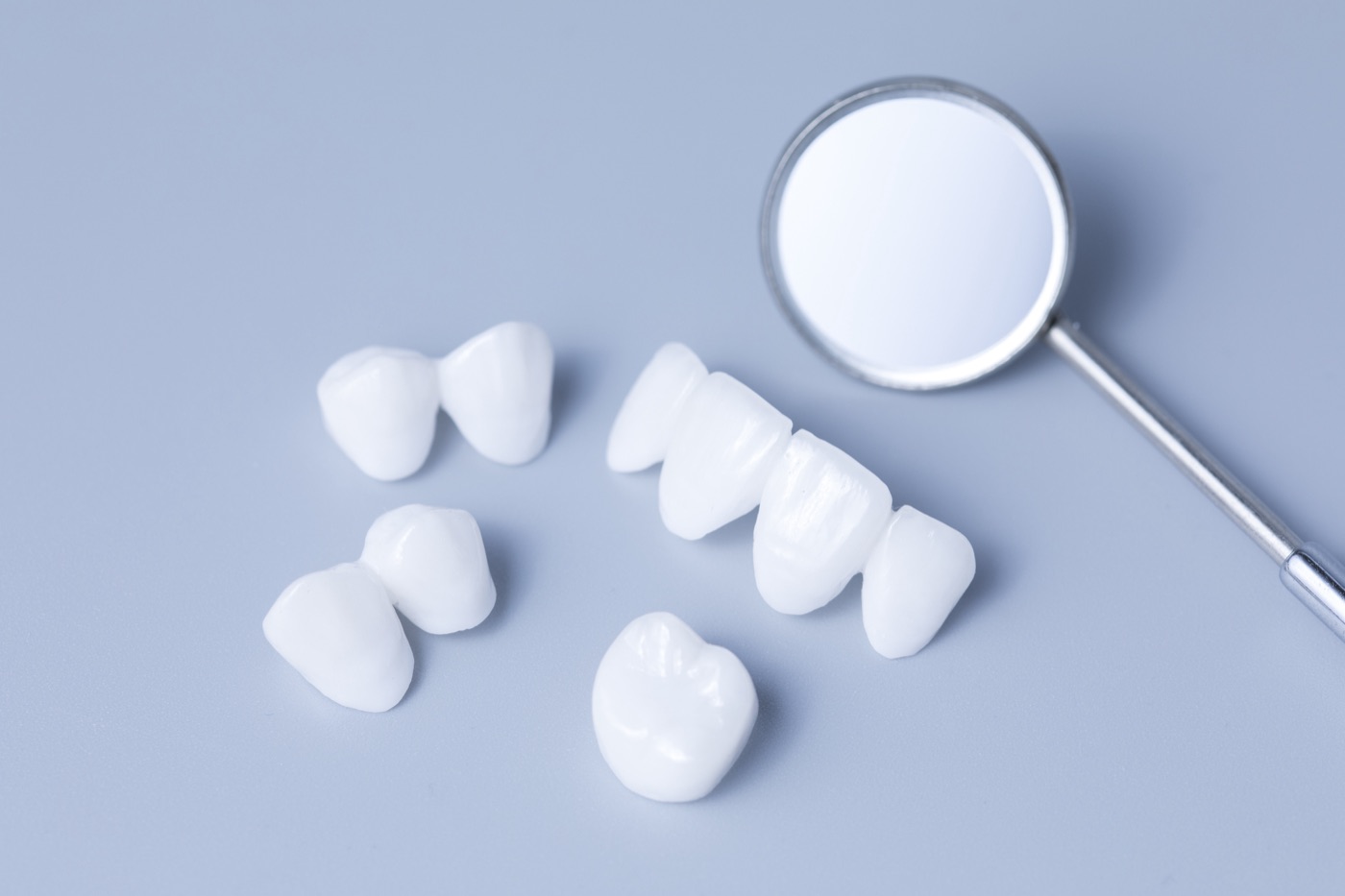
Porcelain dental crowns and a dental mirror

Crowns are a cosmetic restoration used to strengthen a tooth or improve its shape. Crowns are most often used for teeth that are broken, worn, or partially destroyed by tooth decay.

Crowns are "cemented" onto an existing tooth and fully cover the portion of your tooth above the gum line. In effect, the crown becomes your tooth's new outer surface. Crowns can be made of porcelain, metal, or both. Porcelain crowns are most often preferred because they mimic the translucency of natural teeth and are very strong.

Crowns or onlays (partial crowns) are needed when there is insufficient tooth strength remaining to hold a filling. Unlike fillings which apply the restorative material directly into your mouth, a crown is fabricated away from your mouth. Your crown is created in a lab from your unique tooth impression which allows a dental laboratory technician to examine all aspects of your bite and jaw movements. Your crown is then sculpted just for you so that your bite and jaw movements function normally once the crown is placed.

Common Questions

How many visits does a crown take?
Usually two. At the first visit we prepare the tooth and take a digital scan, then place a temporary crown. Your permanent crown is ready in about a week, and the second visit is a short one to seat it.
What are crowns made of?
Most of ours are porcelain, because it mimics the translucency of natural teeth and is very strong. Metal and porcelain-fused-to-metal crowns are options too, and we will talk through which makes sense for that tooth.
How long do dental crowns last?
Well-cared-for crowns commonly last ten to fifteen years or longer. Brushing, flossing around the margin, and regular checkups make the biggest difference.
Does getting a crown hurt?
The tooth is fully numb, so you should feel pressure but not pain. Some sensitivity for a few days afterward is normal. If you feel anxious, ask us about nitrous sedation.

Come say hi!

Ready for a dentist you'll actually look forward to?

Join thousands of Clear Lake families who've found their dental home. New patients are always welcome.

A happy child showing a healthy smile